
๐Ÿ”’ BiomedRx Inside โ€” join our private members network & connect with the BiomedRx family Enter →
CT ยท MRI ยท X-Ray ยท Ultrasound

Keeping your imaging equipment in a state of peak operational readiness.

A veteran-owned, minority-owned biomedical engineering company specializing in the repair, calibration, and preventive maintenance of medical imaging equipment โ€” CT, MRI, and X-ray โ€” along with every other modality of diagnostic and therapeutic medical equipment. A proud member of the BiomedRx Service Network.

200+
Imaging Systems
All
Modalities
4 hrs
Avg. Response
99.3%
Uptime
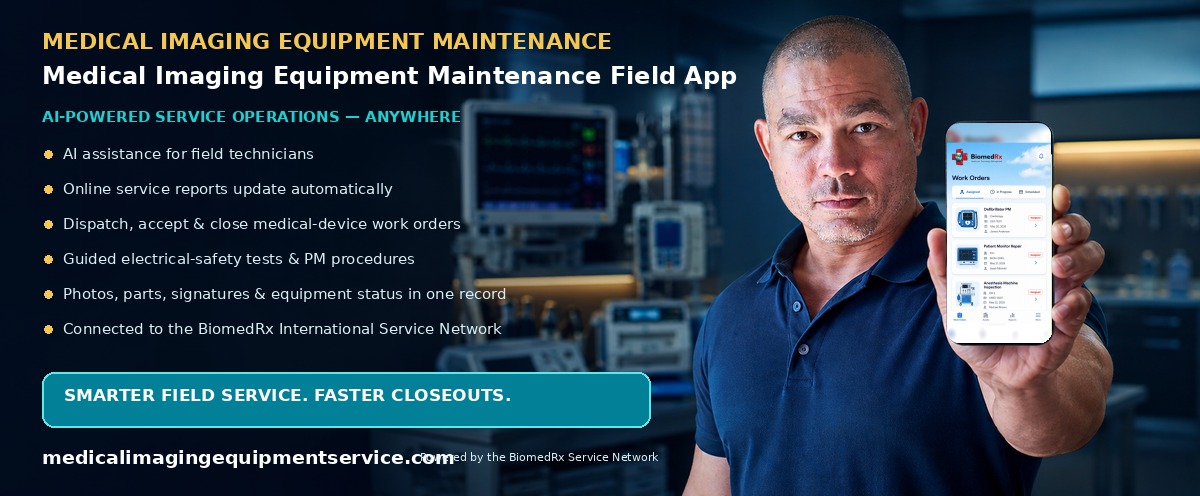
Medical Imaging Field โ€” AI-powered field-service mobile app; automatic online service reports, work-order dispatch, and closeout

Medical Imaging Services

Specialized service and preventive maintenance for CT, MRI, X-ray, and ultrasound modalities in imaging departments and standalone facilities.

CT Service & Tube Replacement

CT tube housing service, anode rotation bearing maintenance, high-voltage generator checks, and tube replacement with factory calibration verification.

MRI Cold Head & Cryogen Service

Helium level monitoring and refills, cryocooler maintenance, cold head bearing inspection, and thermal stability verification for superconducting systems.

X-Ray Tube & Generator PM

High-voltage transformer service, filament circuit testing, tube window integrity checks, and output linearity verification across all kVp settings.

Ultrasound Transducer Repair

Transducer cleaning and inspection, acoustic lens repair, piezoelectric element testing, and refurbishment to factory specifications for all probe types.

IQ/OQ/PQ Documentation

Installation, operational, and performance qualification documentation formatted for FDA and institutional compliance, including baseline and trend analysis.

24-Hour Emergency Dispatch

Same-day emergency response for imaging system failures, urgent troubleshooting, and rapid repairs to restore patient care and diagnostic capability.

Our Work in the Field

Repair, calibration, and preventive maintenance across every modality of diagnostic and therapeutic medical equipment, delivered on-site by our biomedical engineers.

Preventive maintenance on medical imaging equipment
Imaging

Servicing vs. Remanufacturing: Where CT and MRI Work Falls

The FDA's framework, set out in its finalized remanufacturing guidance, draws a bright line that shapes imaging service. Servicing is repair and preventive or routine maintenance that returns a finished device to the OEM's original safety and performance specifications; remanufacturing is work that significantly changes those specifications or the device's intended use, and it triggers premarket, registration, and quality-system obligations.

For high-throughput CT and MRI systems, that distinction governs how upgrades, part substitutions, and software changes are handled. Keeping activity firmly on the servicing side โ€” restoring OEM specifications with documented calibration โ€” is what keeps a facility's program straightforward and its accreditation evidence clean under Joint Commission environment-of-care expectations.

The line matters most in the places imaging departments spend money. A tube swap using an OEM-specified assembly, a coil replacement, a calibration that restores published performance — all comfortably servicing. A third-party software modification that changes how a reconstruction behaves, a component substitution that alters the device's performance specification, or a change to the intended use are the sorts of activities the FDA's framework treats as remanufacturing, with the premarket, registration and quality-system obligations that follow. Knowing which side of that line a proposed job sits on before the purchase order is signed is worth more than knowing it afterwards.

There is a second, quieter reason to keep work firmly on the servicing side: your accreditation file. Imaging performance is independently measured — through ACR accreditation phantom studies and the annual medical-physicist survey — and a system that has been altered in undocumented ways is a system whose physics report becomes very hard to interpret. Restoring to published specification, and writing down exactly what was restored and how it was verified, keeps the physicist, the surveyor and the radiologist telling the same story about the same scanner.

Sources: FDA โ€” Remanufacturing of Medical Devices Guidance; The Joint Commission; American College of Radiology

Technician repairing X-ray imaging equipment
X-Ray

X-Ray Service Under FDA Radiation-Emitting-Product Rules

X-ray service centers on the generator, the tube, and verification of radiation output โ€” the elements that determine both image quality and patient dose. When output drifts, images degrade and dose can rise, so measurement and correction sit at the heart of the work.

Because these systems emit ionizing radiation, they fall under the FDA's radiation-emitting-products authority and state radiation-control programs, which may require periodic performance testing, sometimes by a qualified medical physicist. Restoring output to the manufacturer's specification is servicing; documenting it supports both radiation-safety compliance and Joint Commission review. Exact intervals vary by state and modality and should be confirmed locally.

Mammography is the modality where federal requirements are most explicit, and they were amended recently. The FDA's MQSA final rule, published in March 2023, became enforceable on 10 September 2024; it requires a breast-density classification in every mammography report and a corresponding density-notification statement in the patient's lay summary. The equipment obligations that sit underneath accreditation — routine quality-control testing and an annual survey by a qualified medical physicist — continue unchanged, and a unit that fails phantom or dose criteria comes out of clinical service until it is corrected.

Outside mammography, the picture is federal plus state. The FDA regulates radiation-emitting electronic products, while state radiation-control programmes set registration, inspection and, in many states, periodic performance-testing requirements that differ from one border to the next. For a multi-site operator that is an administrative trap: a testing cadence that satisfies one state's programme may leave a sister facility exposed. We track requirements by site rather than by fleet, so the schedule matches the jurisdiction the machine actually lives in.

Sources: FDA โ€” Radiation-Emitting Products; The Joint Commission; FDA MQSA Final Rule

Calibration of biomedical equipment
Calibration

Calibration: The Documentation That Keeps Service Defensible

Calibration confirms that a device's readings match a known reference within stated tolerances, so a monitor or analyzer performs as its display claims. Where possible it is traceable to recognized standards, which is what makes a measurement defensible rather than merely internal.

Under the FDA's servicing framework, calibration that returns a device to its OEM specifications is squarely servicing, not remanufacturing โ€” provided it does not alter the device's performance specifications or intended use. AAMI publishes the technical guidance the field relies on, and Joint Commission environment-of-care standards expect a managed, well-recorded equipment program. Traceable, documented calibration is what turns routine service into evidence a surveyor accepts.

Traceability is the whole game. A calibration record that names the reference instrument, its own calibration status and expiry, the acceptance criteria applied and the as-found and as-left values is evidence. A record that says 'calibrated — passed' is an assertion. The difference costs nothing at the time of the visit and everything at the time of a survey, a recall investigation or a claim, which is why we treat the report as part of the deliverable rather than as paperwork generated after the fact.

Imaging adds a further wrinkle: the metric that matters is often not a single number but a trend. Tube output, detector uniformity, noise and dose descriptors drift slowly, and the value of periodic measurement lies in comparing today's figure to last year's rather than to a pass/fail threshold. Facilities that keep their physics reports and their service records in the same place spot a failing detector months before it produces a non-diagnostic study — and replace it on a purchase order instead of an emergency.

Sources: AAMI; FDA โ€” Remanufacturing and Servicing Medical Devices; AAMI

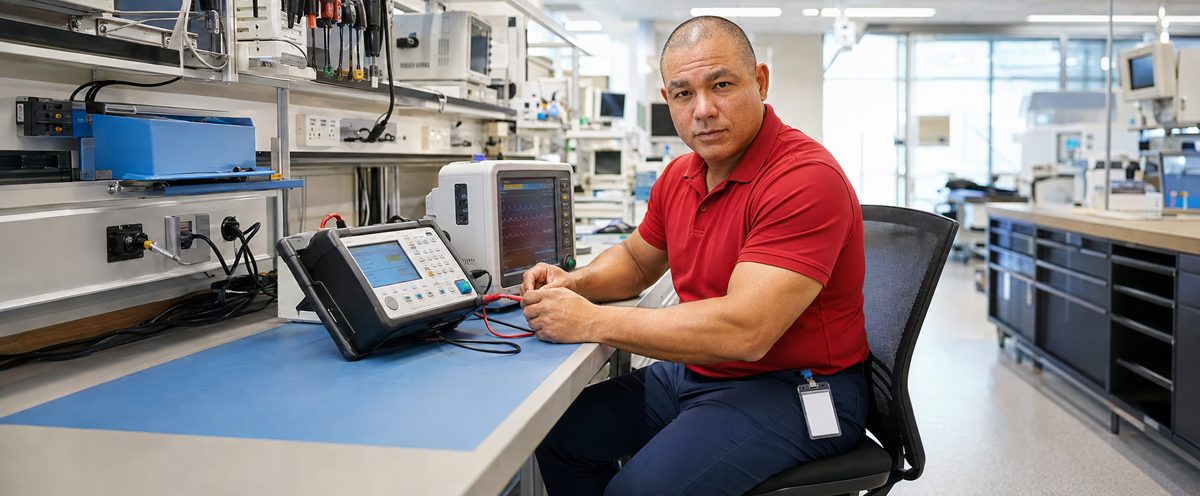
On-site field service for imaging equipment
Field Service

Third-Party Field Service After the FDA's Final Guidance

Manufacturers often extend their reach by outsourcing installation, repair, preventive maintenance, and in-service education rather than staffing technicians in every region. The FDA has examined third-party servicing of medical devices and, in its report to Congress, did not find broad evidence that it endangers public health, while emphasizing quality processes, calibration, and documentation.

The 2024 final remanufacturing guidance sharpened the boundary that field-service organizations work within: activities that keep a device to its original specifications are servicing, while those that significantly change performance, safety, or intended use cross into remanufacturing and its added regulatory duties. Outsourced service that follows manufacturer specifications and keeps complete records is how the quality bar is met in practice.

The commercial logic is straightforward, and it is getting stronger. The U.S. Bureau of Labor Statistics counted roughly 71,800 medical equipment repairers in 2025 and projects 13 percent growth through 2035 — against a 3 percent average across all occupations — with about 8,200 openings each year, many arising from retirements. Nobody is going to staff a full imaging bench in every regional market out of that pool. Independent field-service capacity is how coverage reaches facilities that a factory-direct model will always reach last.

What a facility should demand in exchange is the same rigour it would expect from the manufacturer: technicians trained on the specific platform, calibrated test equipment with current certificates, work performed to published specifications, and records complete enough to hand to a surveyor without editing. Ask a prospective service partner to show you a finished report for a system like yours before you sign anything. The ones who hesitate are telling you something useful.

Sources: FDA โ€” Remanufacturing and Servicing Medical Devices; FDA โ€” Remanufacturing Guidance; BLS Occupational Outlook Handbook

Isolated power system and line isolation monitor testing
Compliance

Isolated Power System Testing to NFPA 99

Isolated power systems in wet procedure locations such as operating rooms lower shock risk and keep power flowing even after a single ground fault. A line isolation monitor continuously tracks total hazard current and alarms before it becomes dangerous, warning staff without cutting power mid-procedure.

NFPA 99, the Health Care Facilities Code, governs the design and testing of these systems, and facilities typically verify monitor function on a periodic schedule as part of their Environment of Care program. Since the alarm is the protective mechanism, confirming it trips at the correct threshold is the core of the test. Specific intervals and thresholds should be checked against the current NFPA 99 edition and manufacturer guidance.

The edition in force is NFPA 99 (2024), and its line-isolation-monitor requirements are precise. After installation and before the system is placed in service, the LIM circuit is proved by successively grounding each line of the energised distribution system through a resistor of 200 × V ohms, where V is the measured line voltage. Thereafter the test switch is actuated at intervals of not more than one month — extended to not more than 12 months only where the monitor has automated self-test and self-calibration capability — and actuation must produce both visual and audible alarm.

Imaging suites inherit isolated-power obligations more often than people expect: interventional and hybrid rooms, cardiac cath labs and some fluoroscopy suites are frequently classified as wet procedure locations. Those are also the rooms most likely to have been renovated recently, and NFPA 99 calls for LIM testing after repair or renovation using external fault loads. If your last panel work was done by an electrical contractor and closed out without a functional LIM test, that gap is worth finding before a surveyor does.

Sources: NFPA 99 Health Care Facilities Code; The Joint Commission; NFPA 99 Code Development

Servicing surgery center and anesthesia support equipment
Surgical

Surgery & Anesthesia Support: Servicing at the Sharp End of Care

Anesthesia delivery units and surgery support equipment keep patients ventilated, monitored, and stable during procedures, which makes their reliability and calibration a direct patient-safety matter rather than a convenience.

These machines undergo manufacturer-specified preventive maintenance and performance checks โ€” servicing under the FDA's framework, since the goal is to restore original specifications rather than change them. Their records are the documentation surveyors expect under Joint Commission environment-of-care standards, and AAMI provides the widely used technical guidance for maintaining and safety-testing this class of equipment. Following the manufacturer's schedule and keeping thorough records is central to doing the work defensibly.

From January 2026 the requirements these records answer to were reorganised. Under the Joint Commission's Accreditation 360, environment-of-care content has been renumbered and consolidated into a new Physical Environment (PE) chapter — PE 01.01.01 addressing a safe and adequate environment, with further standards covering hazardous materials and waste, Life Safety Code compliance and interim life-safety measures. The substance for medical equipment is familiar: a defined maintenance program, defined frequencies, verified staff competency and retrievable documentation. The citations in your policy binder, however, may now point at chapters that no longer exist.

Anaesthesia machines are also the clearest case for staying on the manufacturer's schedule rather than improvising one. CMS permits a risk-based Alternative Equipment Maintenance program for eligible equipment, but life-support devices are precisely where facilities are least able to defend a stretched interval on failure-history grounds alone. Vaporiser output verification, leak and compliance testing, absorber and valve inspection, and alarm verification belong on the OEM cadence — and belong in a record that shows the cadence was met.

Sources: The Joint Commission; AAMI; Joint Commission Accreditation 360; CMS S&C 14-07

Laboratory biosafety cabinet certification and airflow testing by HTM specialists

Let's keep your imaging systems performing at peak clinical quality.

Tell us your imaging platforms, department size, and current service arrangements. We respond within one business hour, available 24/7 for emergencies.

The Imaging Service Market in 2026

Where the medical imaging equipment services market is heading, and the standards we hold ourselves to keeping your systems in service.

~$22.8Bimaging service market, 20266%+ projected CAGR toward 2035ISO 13485service quality standard

A Growing Service Market

The medical imaging equipment services market sits at roughly $22.8B in 2026 and is projected to grow at more than 6% CAGR toward about $39B by 2035, per industry reports, 2026 โ€” with PET, ultrasound, and CT projected as the fastest-growing modalities.

What's Driving 2026

Key trends reshaping imaging include cryogen-free MRI, AI-assisted diagnostics and workflows, and a growing focus on sustainable, "green radiology." Each changes how systems are serviced and how uptime is measured.

ISO 13485 Quality

Service providers work to ISO 13485:2016 quality-management standards. With annual service on a single MRI or CT capable of exceeding $100,000, disciplined, documented maintenance directly protects both budgets and diagnostic capability.

$10 ยท PDF Guide

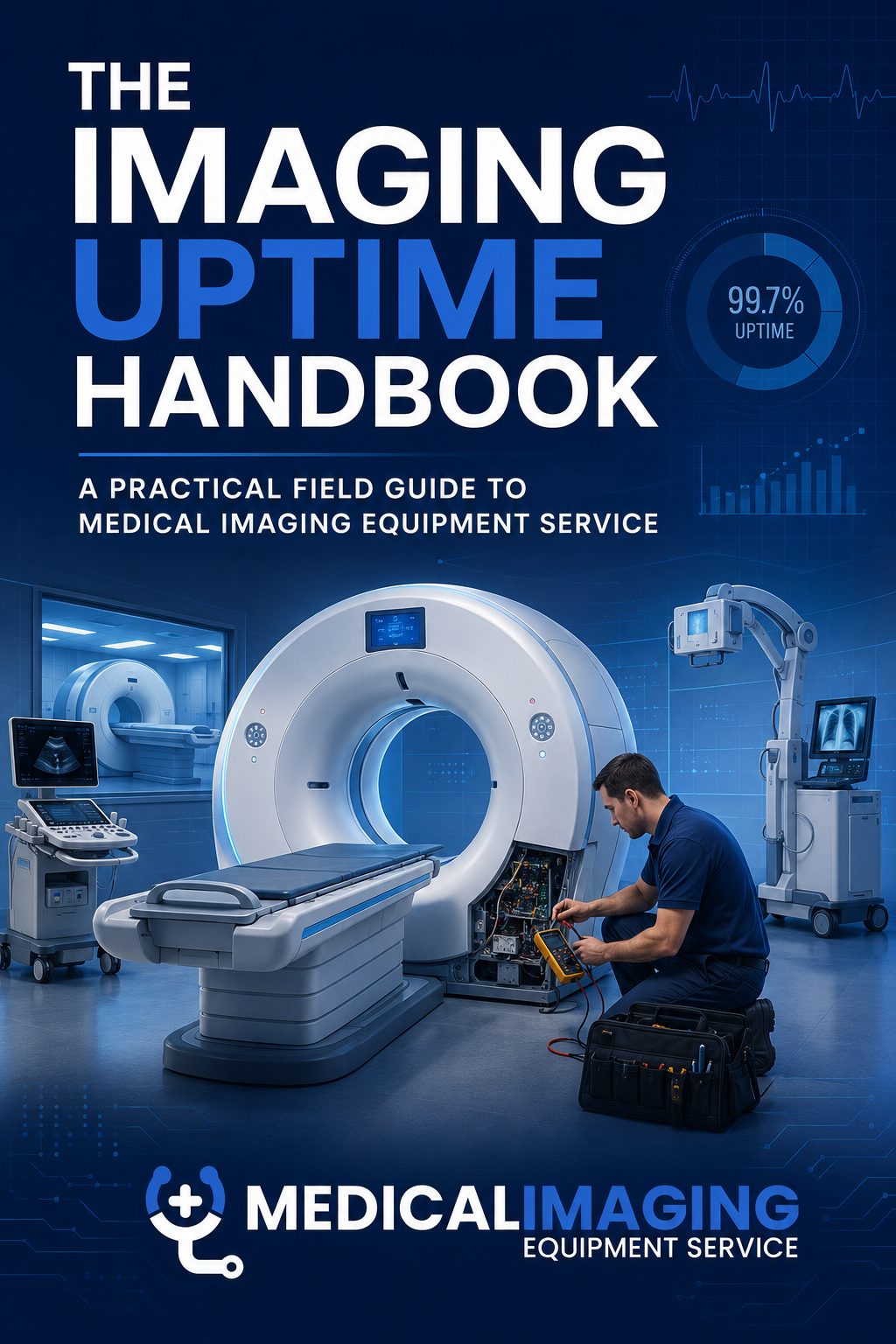
The Imaging Uptime Handbook

Get our illustrated guide โ€” practical, current, and written for 2026.

The Imaging Uptime Handbook โ€” eBook cover Get the eBook โ€” $10
Electrical Safety

Isolated Power System Inspection & Recertification

Isolated power systems (IPS) and their line isolation monitors (LIMs) protect operating rooms, ICUs, and other wet procedure locations from ground faults and electrical shock. Medical Imaging Equipment Service inspects, tests, and recertifies isolated power panels and LIMs to NFPA 99 and NEC Article 517 โ€” verifying monitor accuracy, measuring total hazard current, testing alarms and reference points, checking receptacles and grounding, and delivering the documentation your facility needs for Joint Commission, CMS, and DNV accreditation. Scheduled annually or after any change, our recertification keeps your critical-care spaces compliant and your people protected.

Isolated Power System Testing & FAQ →
The BiomedRx Network

Our Family of HTM Companies

The BiomedRx Network unites regional and specialty healthcare technology management companies—preventive maintenance, repair, calibration, electrical safety, and isolated power testing—under one trusted standard.
BR
BiomedRx
Flagship ยท National HTM
BN
BiomedRx Network
Field-Service Network
BF
BiomedRx Federal
Federal ยท VA / DoD
AB
Aloha Biomedical
Hawaii
AZ
Arizona Biomedical Services
Arizona
CA
California Biomedical Services
California
CH
Chicago Biomedical Services
Chicago, IL
CO
Colorado Biomedical Services
Colorado
ID
Idaho Biomedical Services
Idaho
IL
Illinois Biomedical Services
Illinois
LA
Louisiana Biomedical Services
Louisiana
NV
Nevada Biomedical Services
Nevada
NM
New Mexico Biomedical Services
New Mexico
NY
New York Biomedical
New York
OR
Oregon Biomedical Services
Oregon
TX
Texas Biomedical Services
Texas
UT
Utah Biomedical Services
Utah
WA
Washington Biomedical Services
Washington
WY
Wyoming Biomedical Services
Wyoming
AN
Anesthesia Equipment Maintenance
Specialty ยท Anesthesia
DC
Dialysis Center Maintenance
Specialty ยท Dialysis
IP
Isolated Power System
Specialty ยท IPS / LIM
MF
Medical Field Service
Specialty ยท OEM Field Service
You are here
MI
Medical Imaging Equipment Maintenance
Specialty ยท Imaging
SC
Surgery Center Maintenance
Specialty ยท ASC
IN
BiomedRx Institute
Training & Certification
TE
BiomedRx Technology
HealthTech / Software
IN
BiomedRx Inside
Private Family Network
Transparency for our clients

Online Service Reports

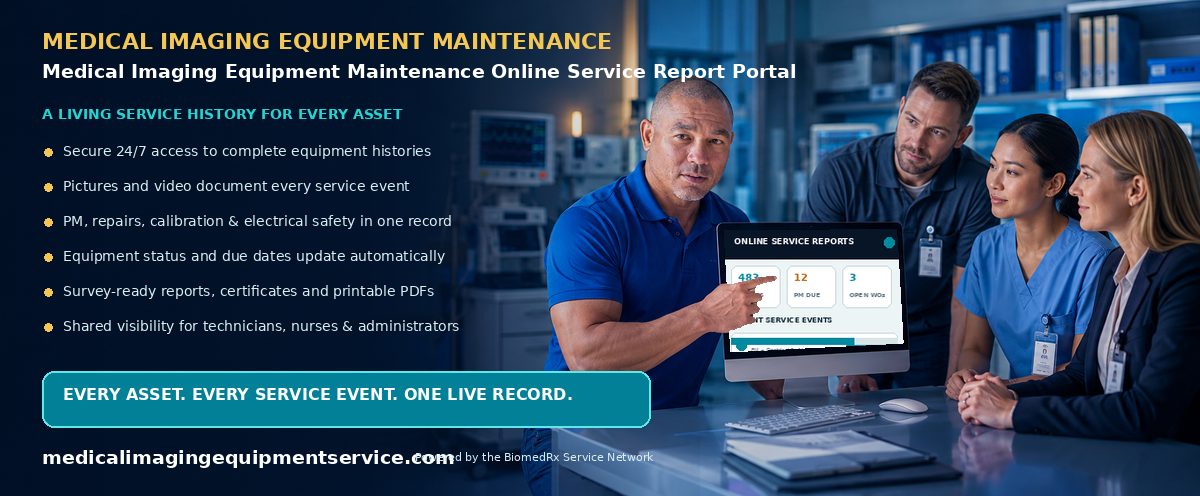
Medical Imaging Equipment Service and every member of the BiomedRx Service Network give clients a secure online service report portal โ€” real-time access to every preventive-maintenance visit, repair, calibration, and compliance record for their equipment. Reports update automatically from the field, so documentation stays current and audit-ready.

View a Sample Report →
Online service report portal
Why Work With Us

The Medical Imaging Equipment Service difference

We combine real expertise with genuine care โ€” and we make it easy to say yes. Work kept firmly on the servicing side of the FDA line, calibration traceable to a named standard, and reports your medical physicist and your surveyor can both read. Here is what you can expect when you work with Medical Imaging Equipment Service.

Why work with us

Uptime you can trust

Documented preventive maintenance and rapid corrective repair keep critical equipment running and patients safe. A dark scanner reschedules patients, stalls the emergency department and sends referrals elsewhere โ€” we plan maintenance so it never has to.

Survey-ready compliance

Every service is documented to Joint Commission, CMS, and NFPA 99 (2024) expectations, so you are always inspection-ready โ€” including the consolidated Physical Environment chapter effective under Accreditation 360 in January 2026.

Certified expertise

Certified biomedical technicians who know your equipment inside and out โ€” no learning curve, no downtime. Imaging and radiologic equipment is excluded from CMS alternative-maintenance flexibility, so we keep it on the manufacturerโ€™s schedule and prove it.

One partner, full coverage

PM, calibration, electrical-safety testing, and IPS recertification under a single accountable contract โ€” CT, MRI, X-ray, ultrasound and the isolated power feeding the room, all on one schedule.

FAQ

Frequently Asked Questions

What biomedical equipment services does Medical Imaging Equipment Service provide?
We provide preventive maintenance, corrective repair, calibration, electrical safety inspection, and isolated power system (IPS) testing for hospitals, surgery centers, and clinics.
Are your biomedical technicians certified?
Yes. Our BMETs are certified and our work follows Joint Commission, CMS, and NFPA 99 standards so your facility stays survey-ready.
How fast can you respond to an equipment failure?
We offer scheduled preventive maintenance plus priority on-call service to minimize downtime on critical medical equipment.
Do you help with regulatory compliance and documentation?
We do. Every service includes the documentation you need for Joint Commission, CMS, and NFPA 99 surveys.
How do I request service or a quote?
Call (424) 204-2382 or email info@medicalimagingequipmentservice.com and our team will schedule an assessment.
What is the difference between servicing and remanufacturing imaging equipment?
Servicing returns a device to its OEM specifications through repair, calibration, and preventive maintenance. Remanufacturing significantly changes performance, safety, or intended use and carries added FDA obligations. We keep work on the servicing side and document it.
Do you test isolated power systems to NFPA 99?
Yes. We inspect and recertify isolated power panels and line isolation monitors to NFPA 99 and NEC Article 517, verifying monitor accuracy, hazard current, alarms, and grounding for Joint Commission, CMS, and DNV surveys.
How large is the imaging service market in 2026?
The medical imaging equipment services market sits near $22.8 billion in 2026 with projected growth above 6% CAGR, driven by PET, ultrasound, and CT service demand.
Shop

Recommended on Amazon

As an Amazon Associate we earn from qualifying purchases. Prices and availability are subject to change.

Get cash back when you join Amazon Prime
View on Amazon โ†’
Introduction to Medical Equipment Repair
View on Amazon โ†’
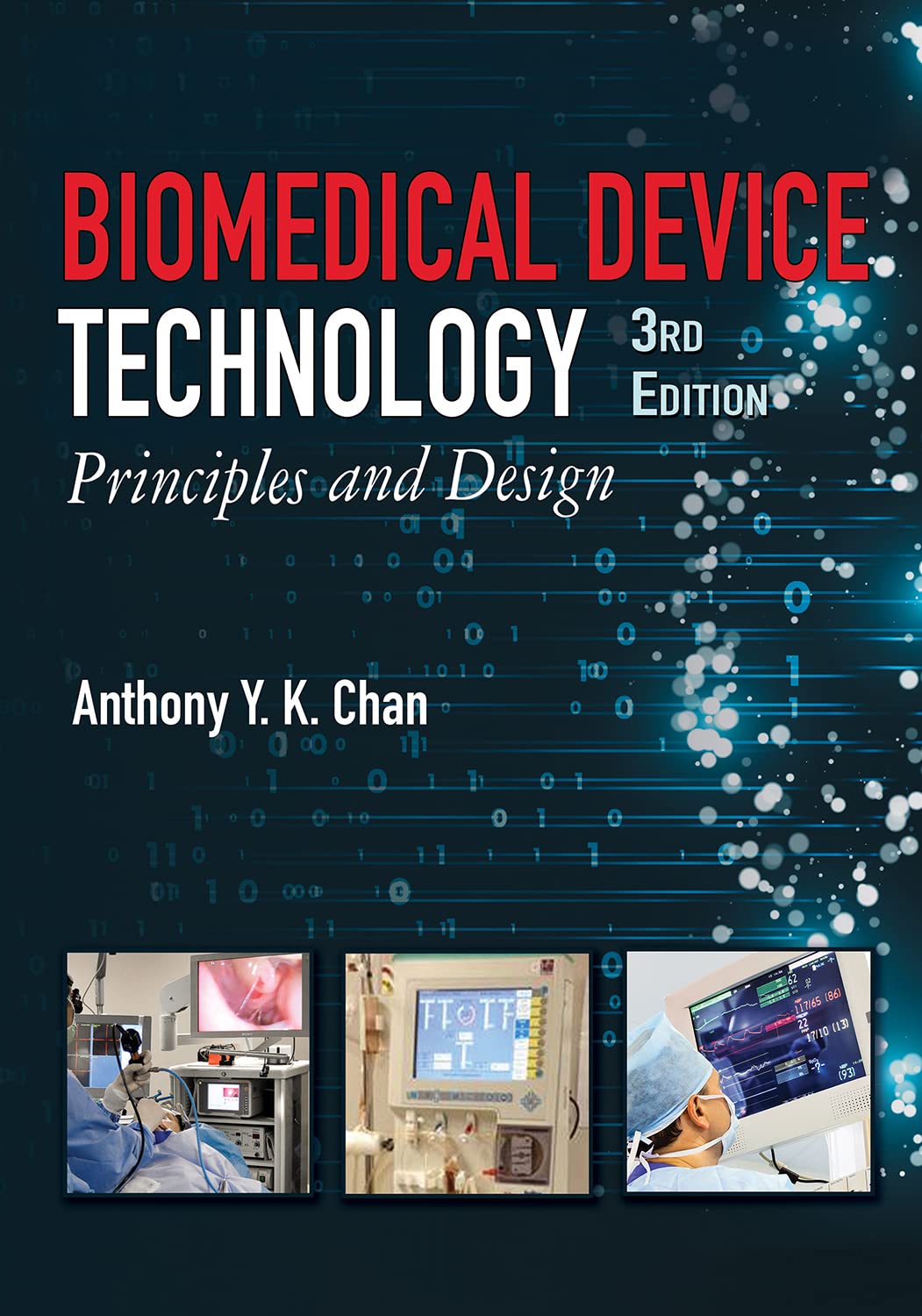
Biomedical Device Technology
View on Amazon โ†’
Biomedical Device Technology
View on Amazon โ†’
CBET Exam Study Guide
View on Amazon โ†’
CBET Exam Flash Cards
View on Amazon โ†’
Repair and Maintenance of Medical Devices
View on Amazon โ†’
Biomedical Equipment Technician
View on Amazon โ†’
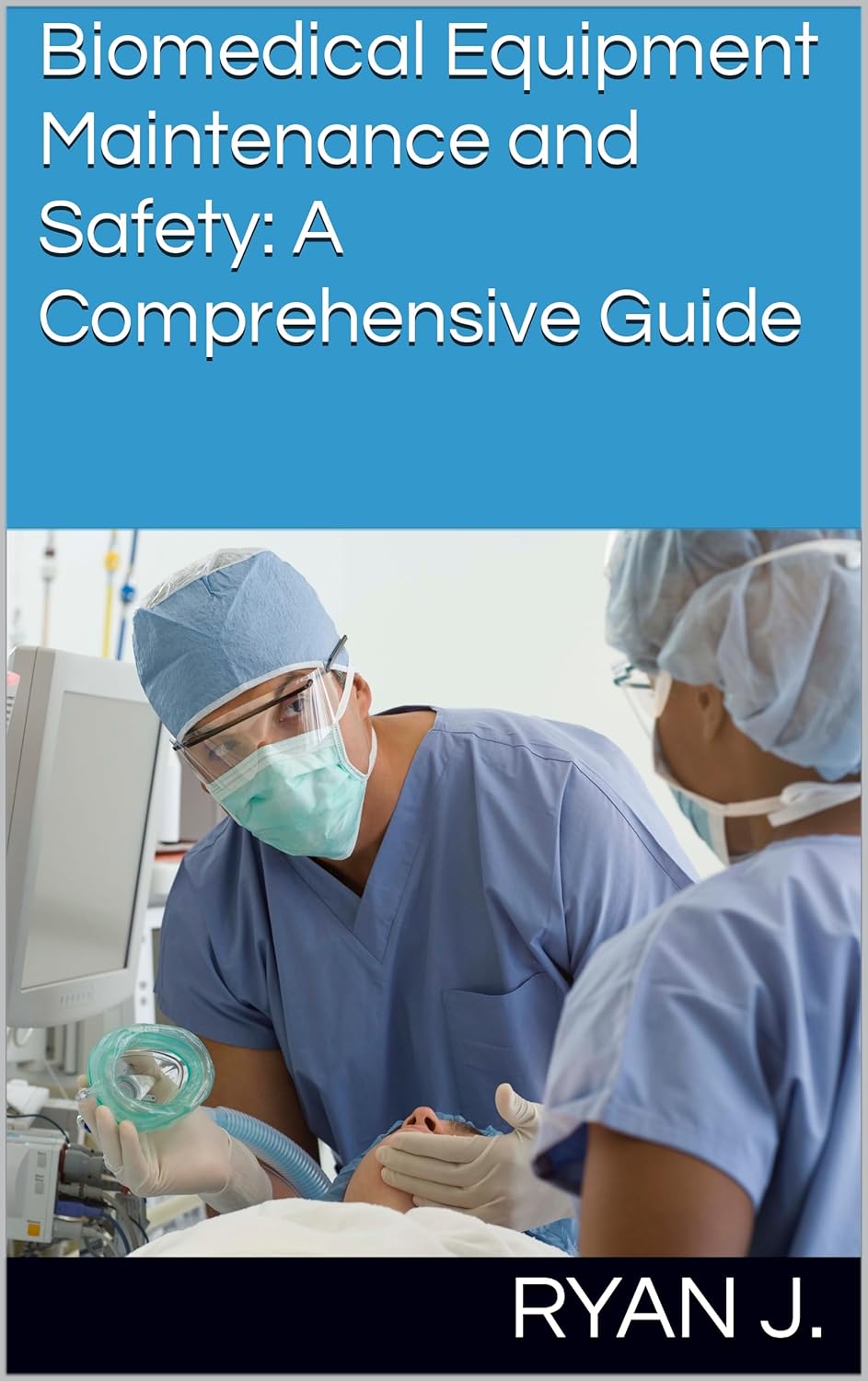
Biomedical Equipment Maintenance and Safety
View on Amazon โ†’
Medical Equipment Maintenance Management and Oversight
View on Amazon โ†’
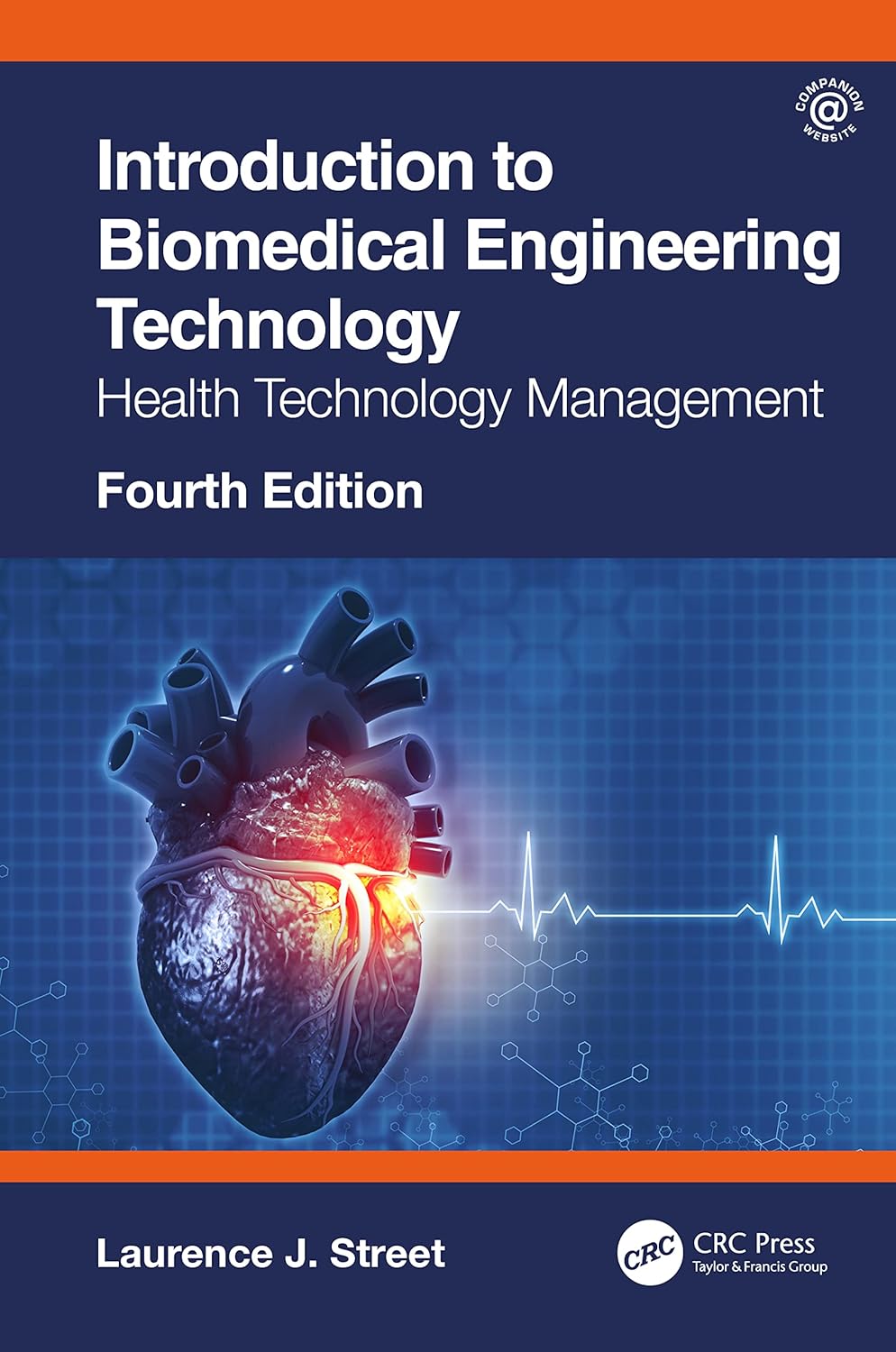
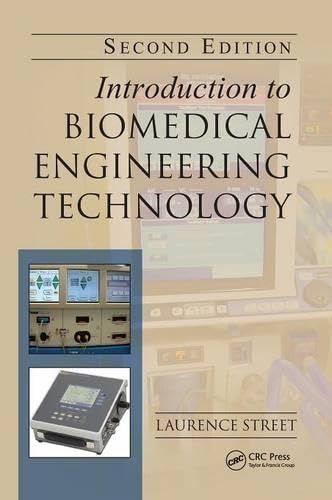
Introduction to Biomedical Engineering Technology
View on Amazon โ†’
Extending Equipment's Life Cycle
View on Amazon โ†’
CBET Exam Study Guide 2025-2026
View on Amazon โ†’
CBET Exam Study Guide 2025-2026
View on Amazon โ†’
CBET Exam Study Guide 2025-2026
View on Amazon โ†’
Careers as a Biomedical Equipment Maintenance Technician
View on Amazon โ†’
CRES Exam Flash Cards
View on Amazon โ†’
CRES Exam Study Guide 2025-2026
View on Amazon โ†’
Introduction to Clinical Engineering
View on Amazon โ†’
Biomedical Engineering Fundamentals
View on Amazon โ†’
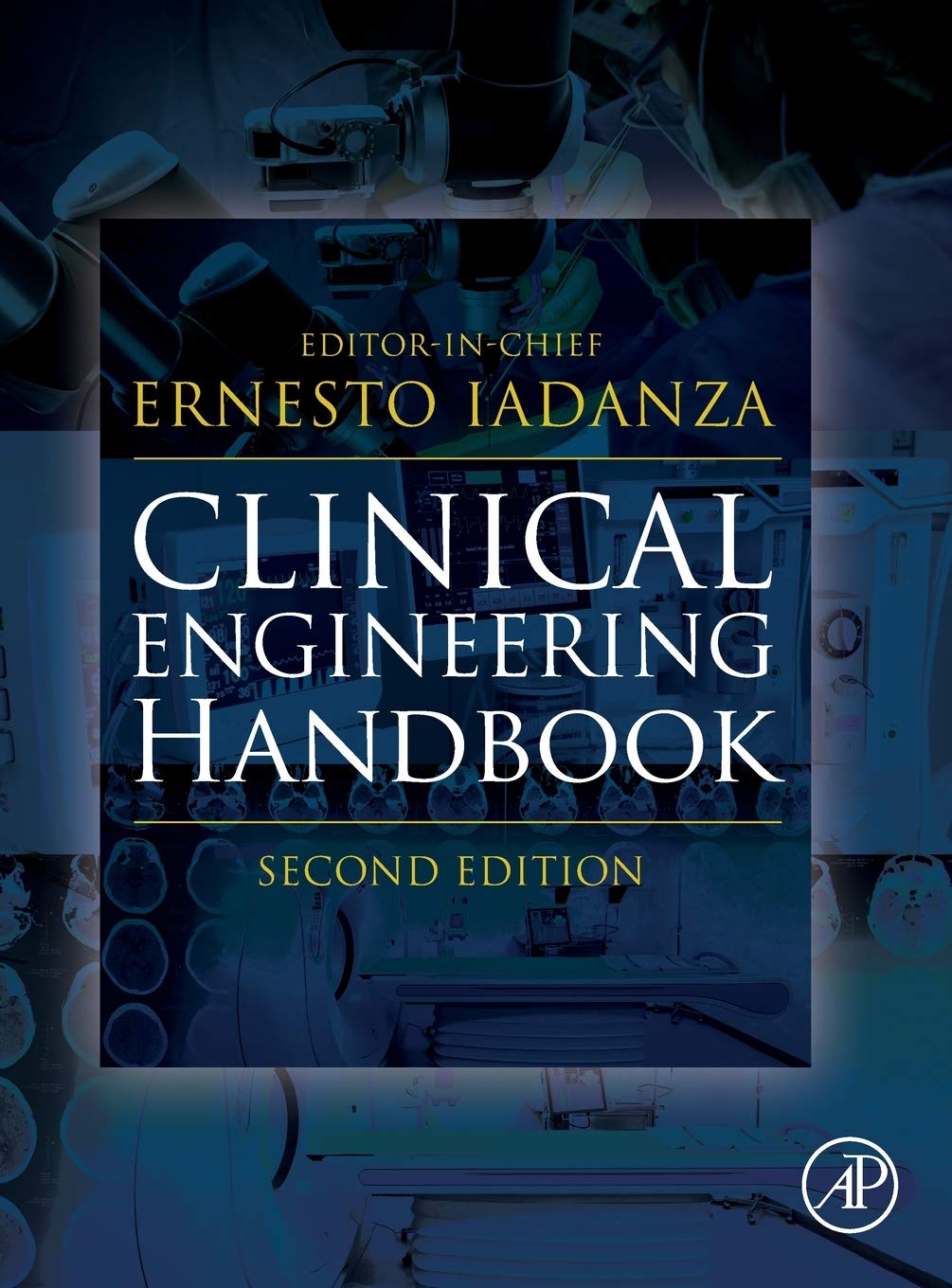
Clinical Engineering Handbook
View on Amazon โ†’
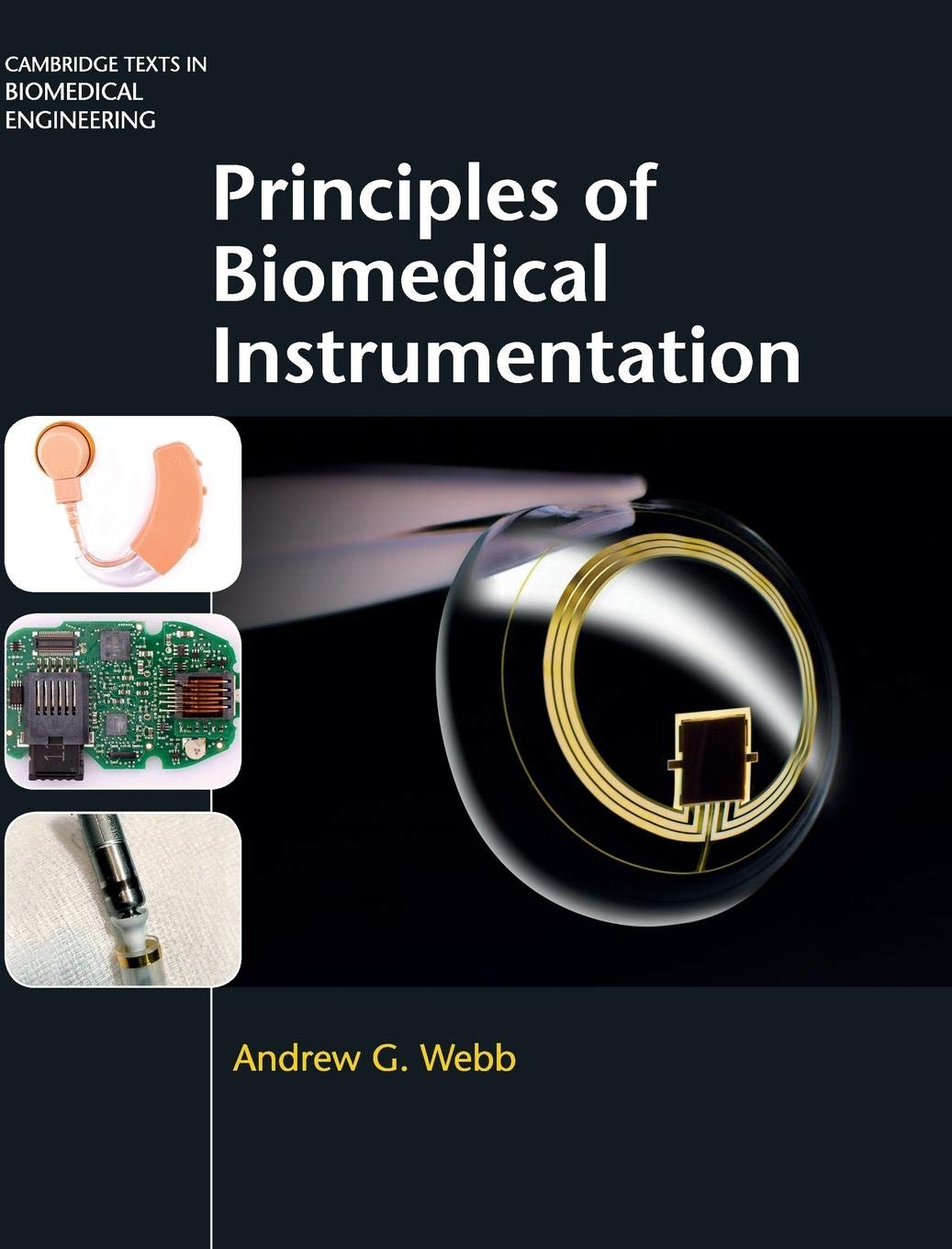
Principles of Biomedical Instrumentation
View on Amazon โ†’
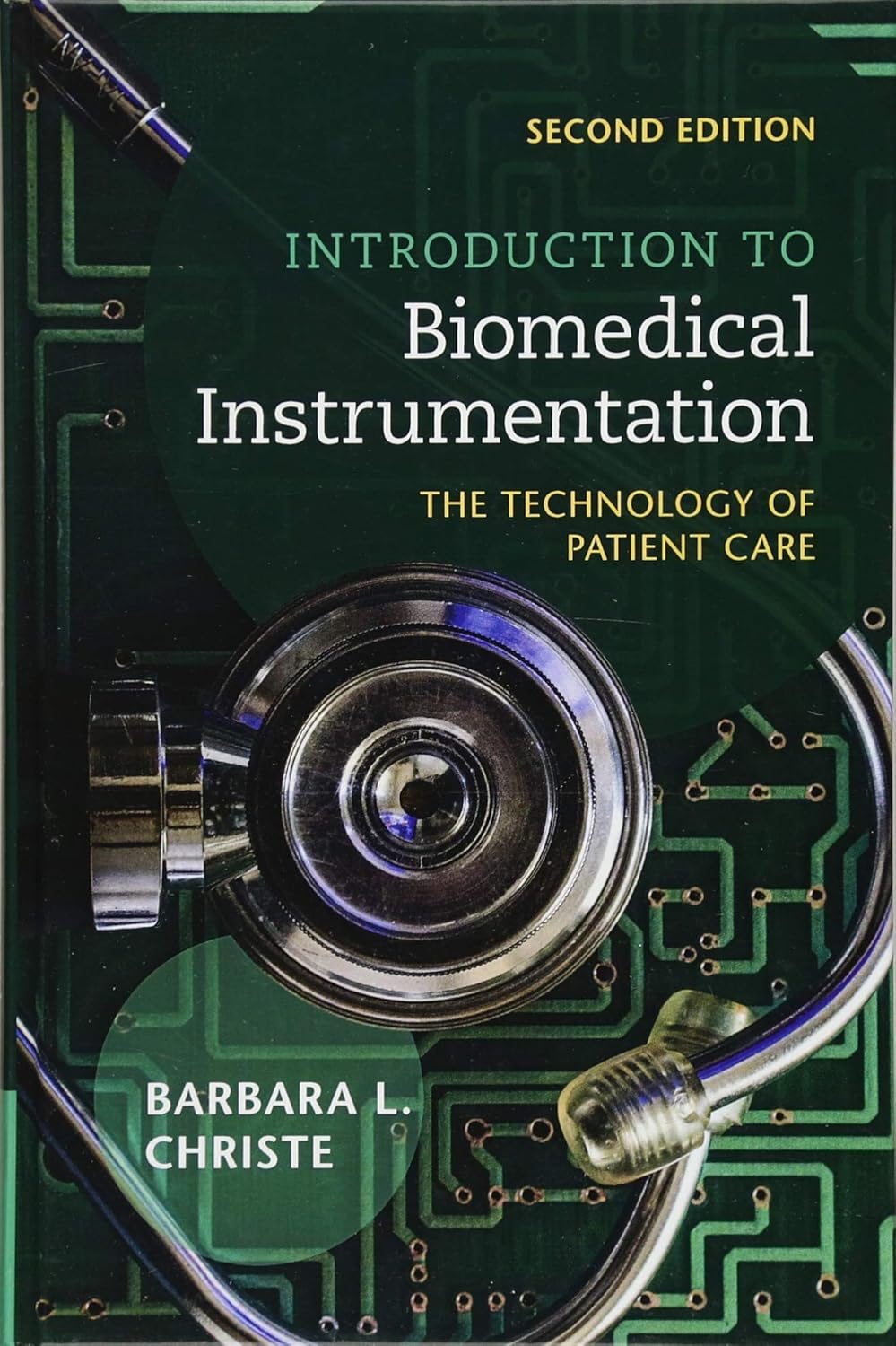
Introduction to Biomedical Instrumentation
View on Amazon โ†’
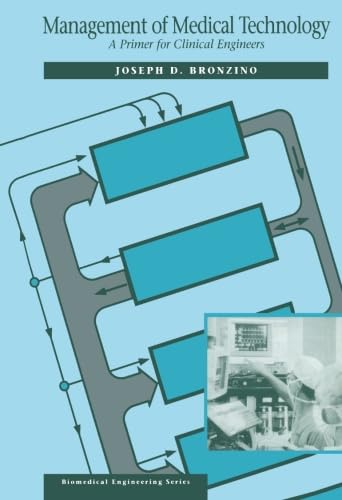
Maintenance of Medical Technology
View on Amazon โ†’
Introduction to Biomedical Engineering Technology
View on Amazon โ†’
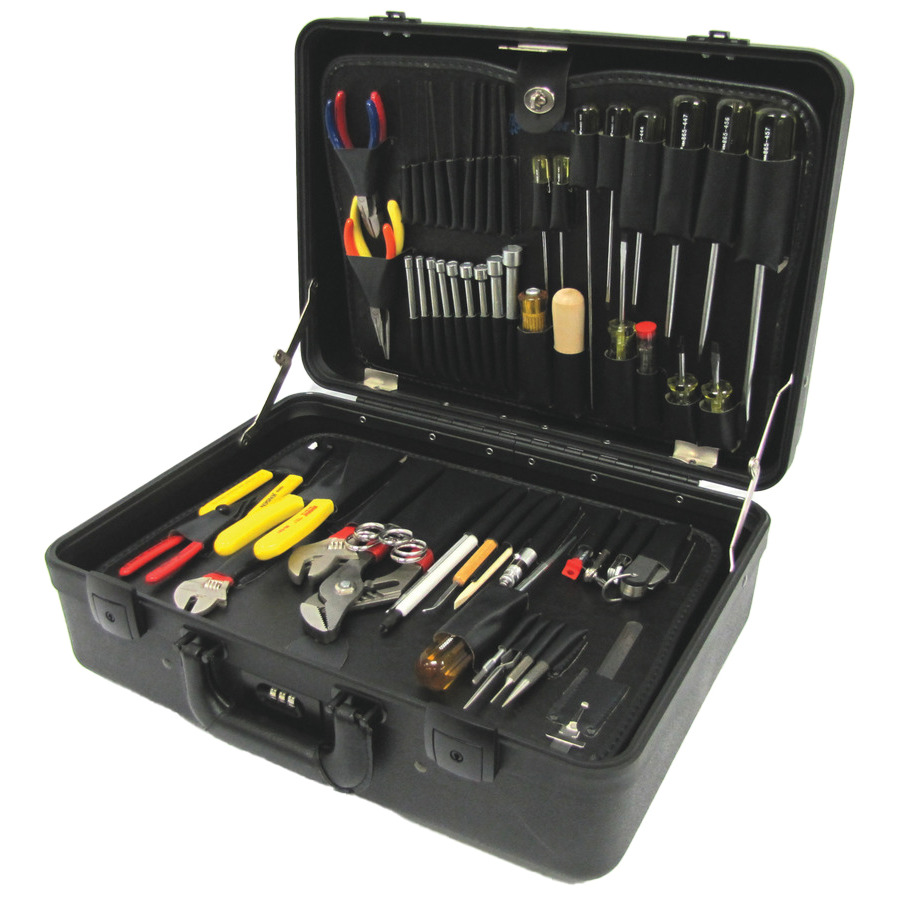
Jensen Biomedical Equipment Maintenance Technician Toolkit
View on Amazon โ†’
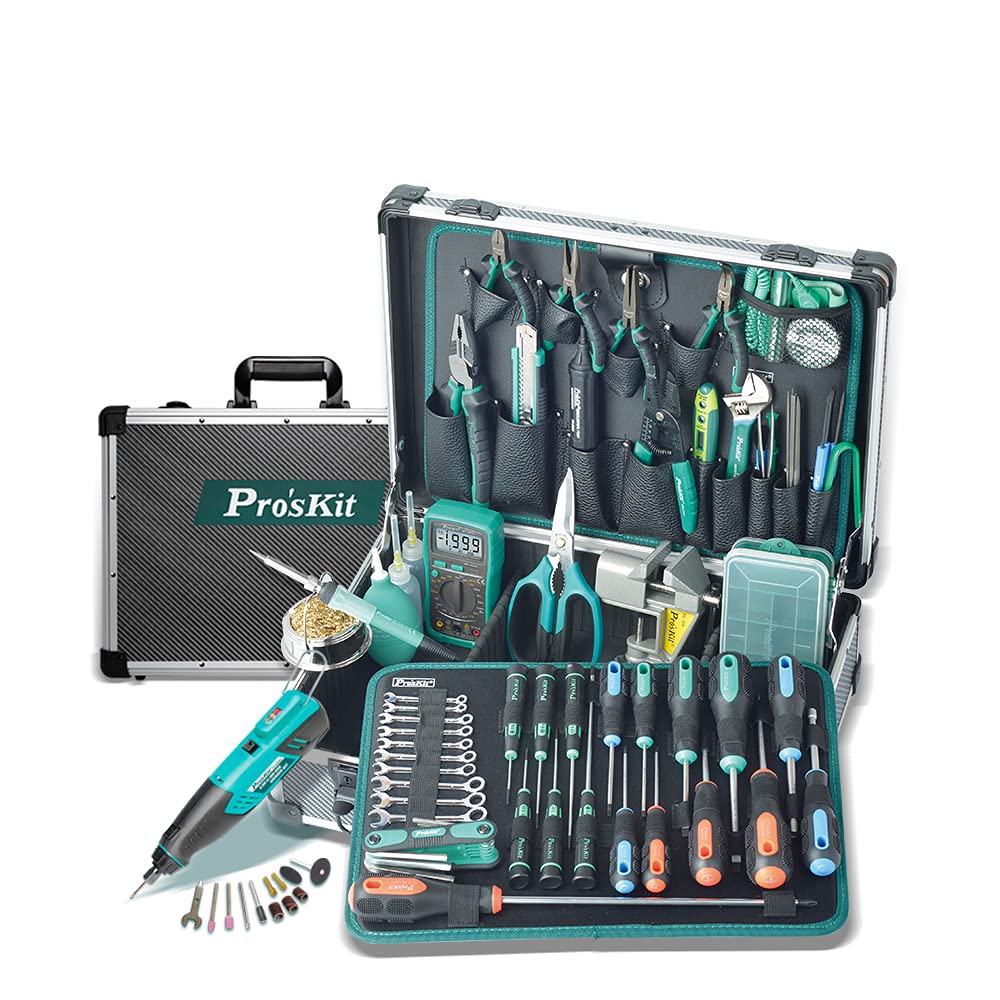
Pro's Kit Electronics Toolkit
View on Amazon โ†’
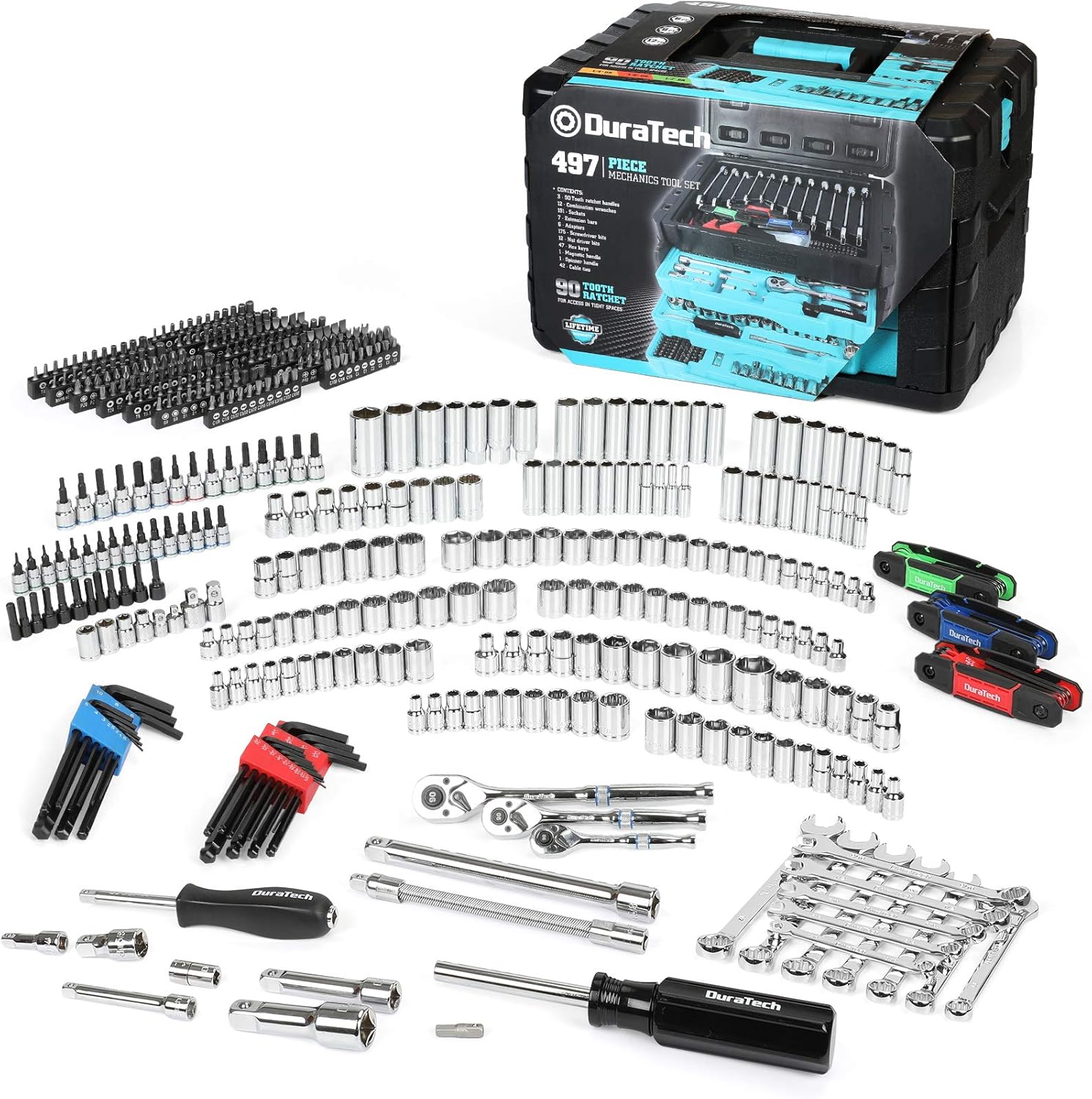
Duratech 497-Piece Mechanics Toolkit
View on Amazon โ†’
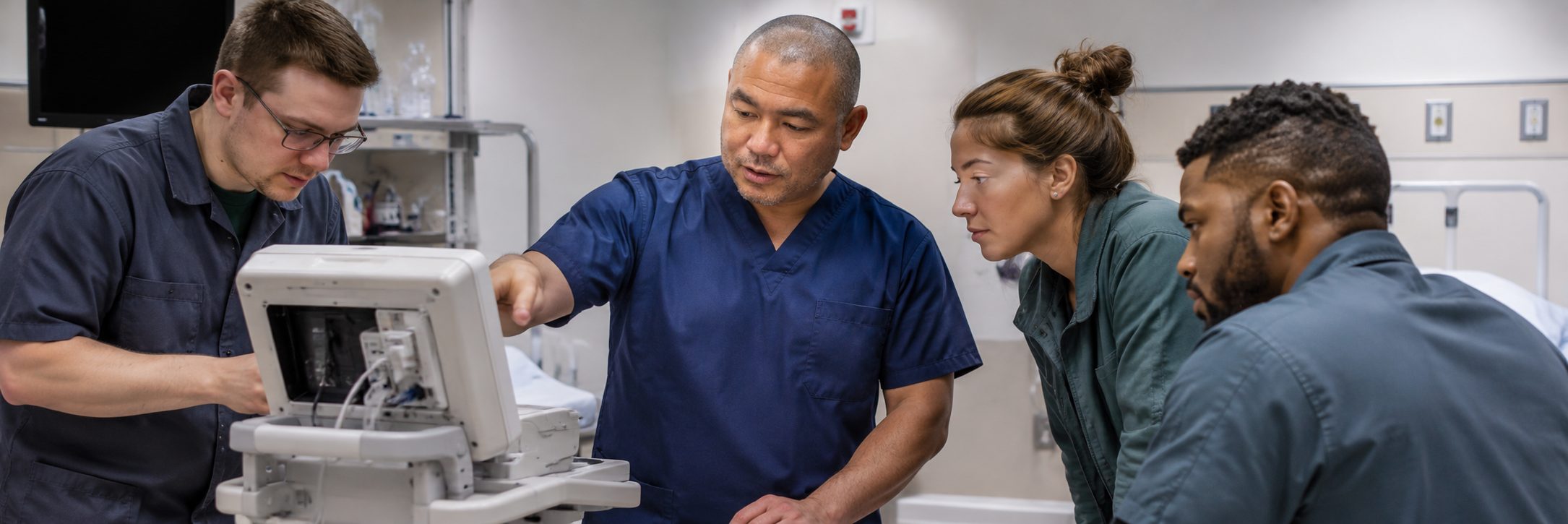
Medical imaging equipment service on a mammography system with test instrumentation
BiomedRx Institute

Test Your Knowledge of Healthcare Technology Management

9 quick questions across the core HTM certification topics. Every answer is explained and sourced.

BiomedRx Institute โ€” Online BMET Training
Practice questions from BiomedRx Institute HTM online training. For educational use; confirm current certification requirements with the administering body.
Medical Imaging Equipment Maintenance Online Service Report Portal โ€” every service event, live in your secure online report portal; view a sample report

Sources

Primary regulations and standards referenced on this page. Where a standard is published commercially it is named in full rather than linked to a copy.